
Cooking with Whole Foods for Health
Discover how preparing meals with unprocessed, nutrient-dense ingredients transforms your daily nutrition and overall vitality. Learn practical approaches to whole food preparation that fit into modern life.
The information on this site is for educational purposes only and does not constitute medical advice. Always consult a qualified healthcare professional before making health decisions.
Why Whole Foods Matter for Your Health
Whole foods are ingredients in their most natural state—vegetables, fruits, legumes, whole grains, nuts, and seeds that have undergone minimal processing. Unlike refined and packaged products, whole foods retain their original fiber content, vitamins, minerals, and phytonutrients that support cellular function and energy production.
When you prepare meals from whole ingredients, you control exactly what enters your kitchen. There are no hidden additives, excess sodium, or refined sugars masking the natural flavors of real food. This transparency in your diet creates a foundation for sustained vitality and helps your body access the nutrients it genuinely needs.
Over time, consistent choices to cook with whole foods strengthen your connection to eating patterns that honor both your body's needs and your relationship with food itself.
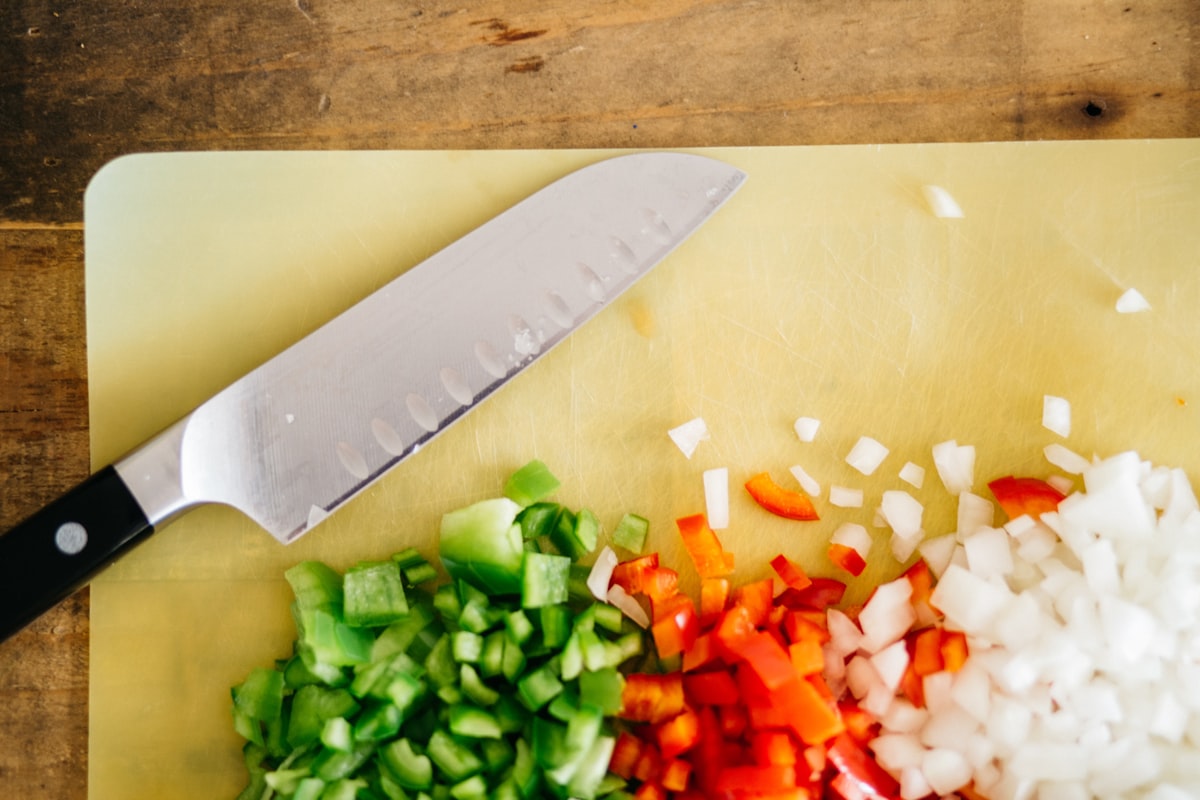
Key Benefits of Whole Food Cooking
Rich in Nutrients
Whole foods deliver vitamins, minerals, antioxidants, and phytonutrients in their natural synergistic forms. Your body absorbs and utilizes these nutrients more effectively than isolated supplements, supporting optimal function at every cellular level.
Sustained Energy
Whole grains, legumes, and natural foods provide complex carbohydrates and fiber that release energy gradually throughout the day. Unlike refined foods that cause energy spikes and crashes, whole foods support steady, lasting vitality.
Digestive Support
The natural fiber in whole foods supports healthy digestion and promotes beneficial gut bacteria. This fiber content is essential for your body's ability to process food properly and maintain overall wellness.
Mental Clarity
Real, nutrient-dense foods nourish your brain and support cognitive function. Omega-3 fatty acids from seeds and nuts, B vitamins from whole grains, and antioxidants from colorful produce all contribute to mental focus and mood balance.
Flavor and Satisfaction
Whole foods taste genuinely delicious. When you cook without added sugars and sodium, you discover the natural flavors of ingredients. This satisfaction helps you enjoy smaller portions and makes eating a mindful, pleasurable experience.
Transparency in Eating
When you cook with whole foods, you know exactly what you're eating. No mysterious ingredient lists or hidden additives—just real ingredients prepared in your own kitchen. This transparency builds trust in your food choices.
Vibrant Ingredients Showcase
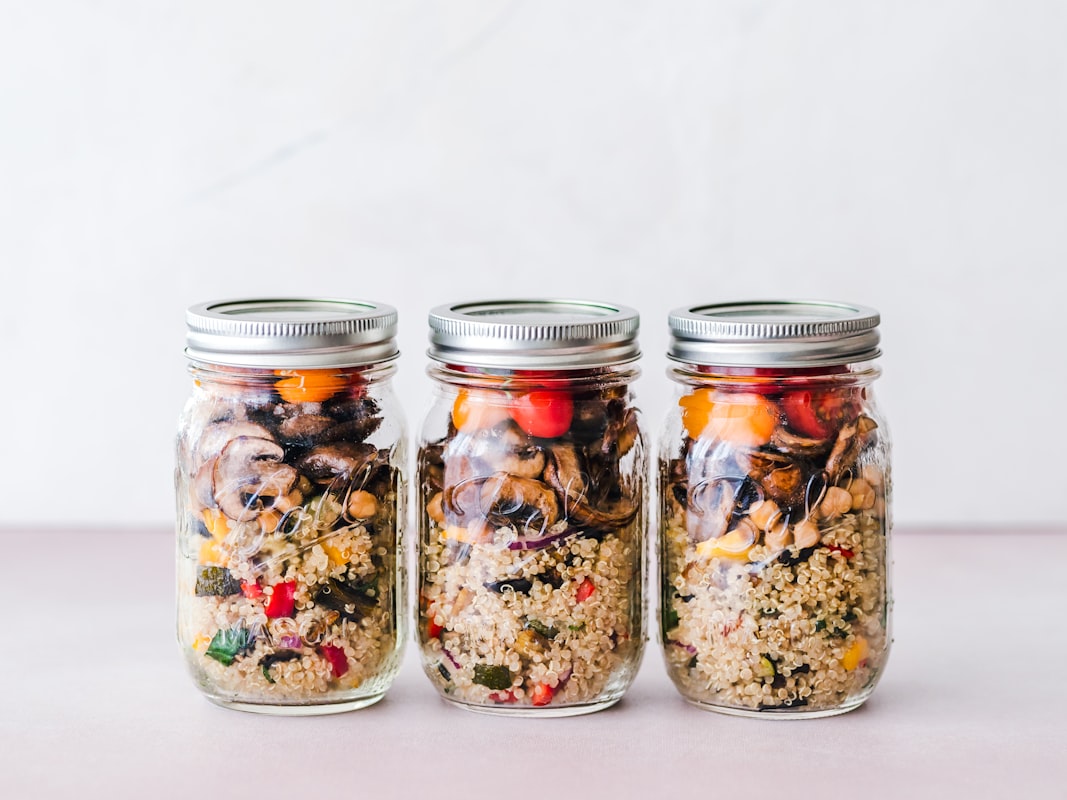
Fresh Vegetables
Leafy greens, root vegetables, and seasonal produce deliver concentrated nutrition. Choose a rainbow of colors—each pigment represents different phytonutrients that your body recognizes and utilizes.
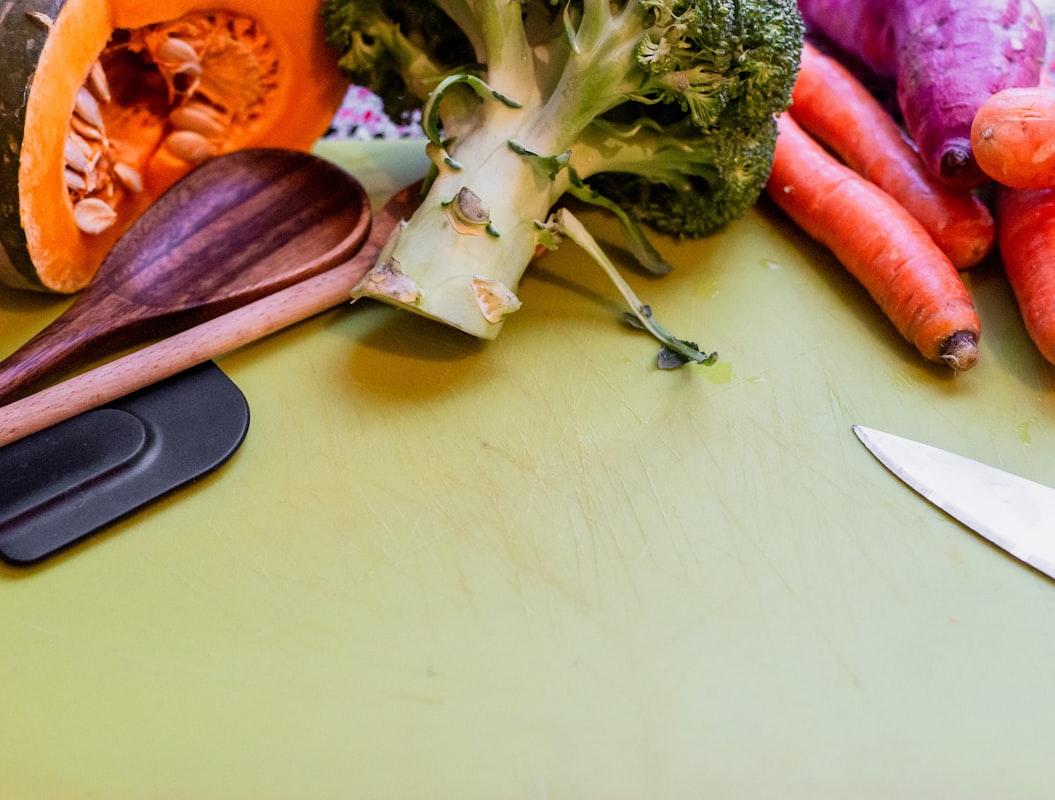
Whole Fruits
Whole fruits retain their fiber, natural sugars, and protective compounds. Whether fresh, frozen, or dried, real fruit provides nutrition that processed juice or dried products cannot match.
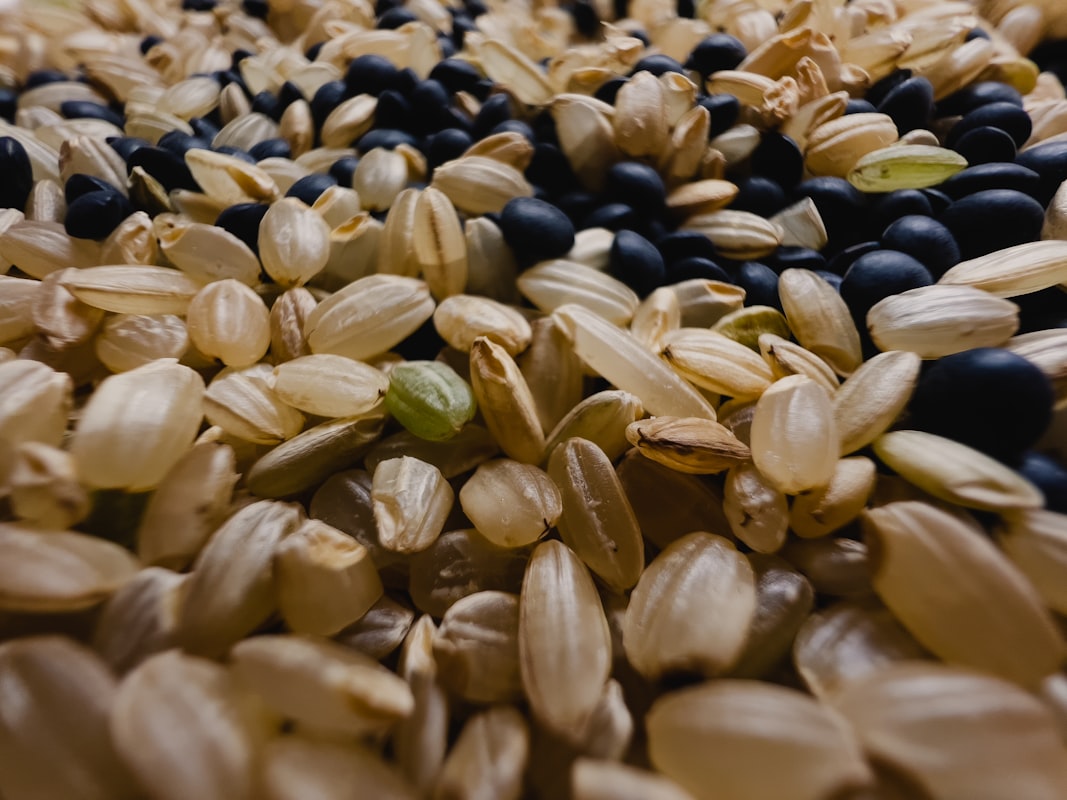
Legumes and Beans
Lentils, chickpeas, and beans are plant-based protein powerhouses rich in fiber and minerals. They support sustained satiety and are fundamental to balanced whole food cooking.
Whole Grains
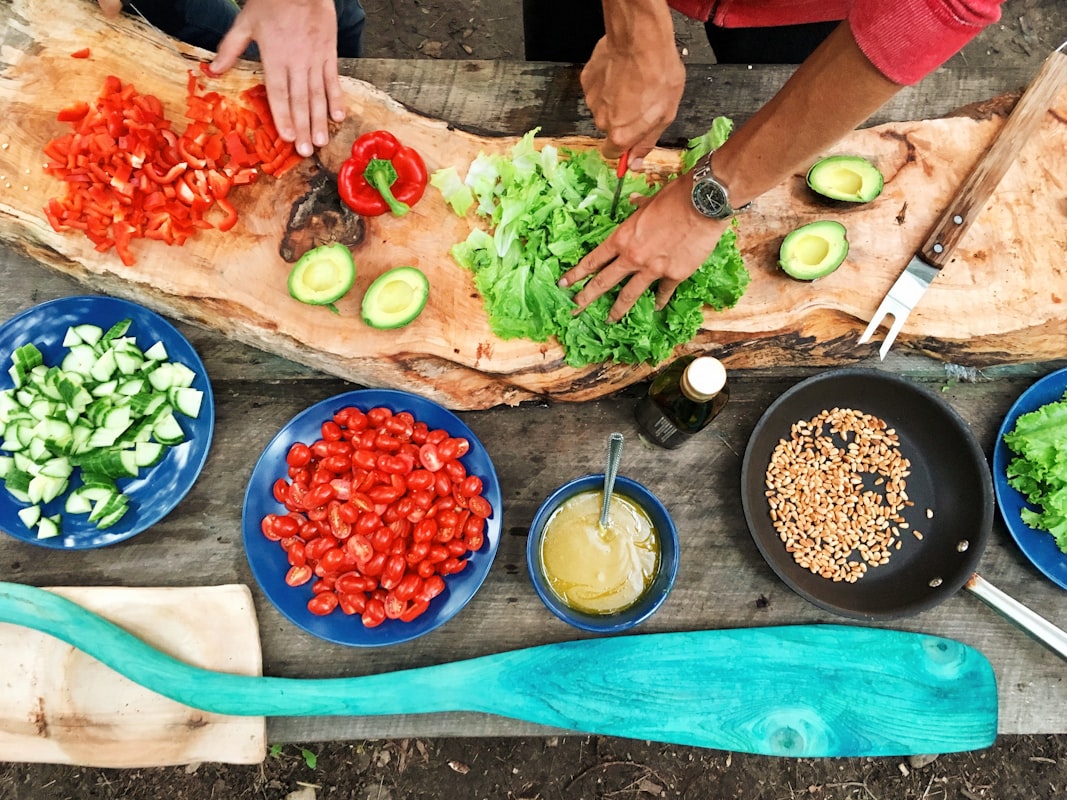
Oats, quinoa, brown rice, and ancient grains provide B vitamins, fiber, and minerals. Keep grains whole and minimally processed to retain their nutritional integrity and natural flavor.
Nuts and Seeds
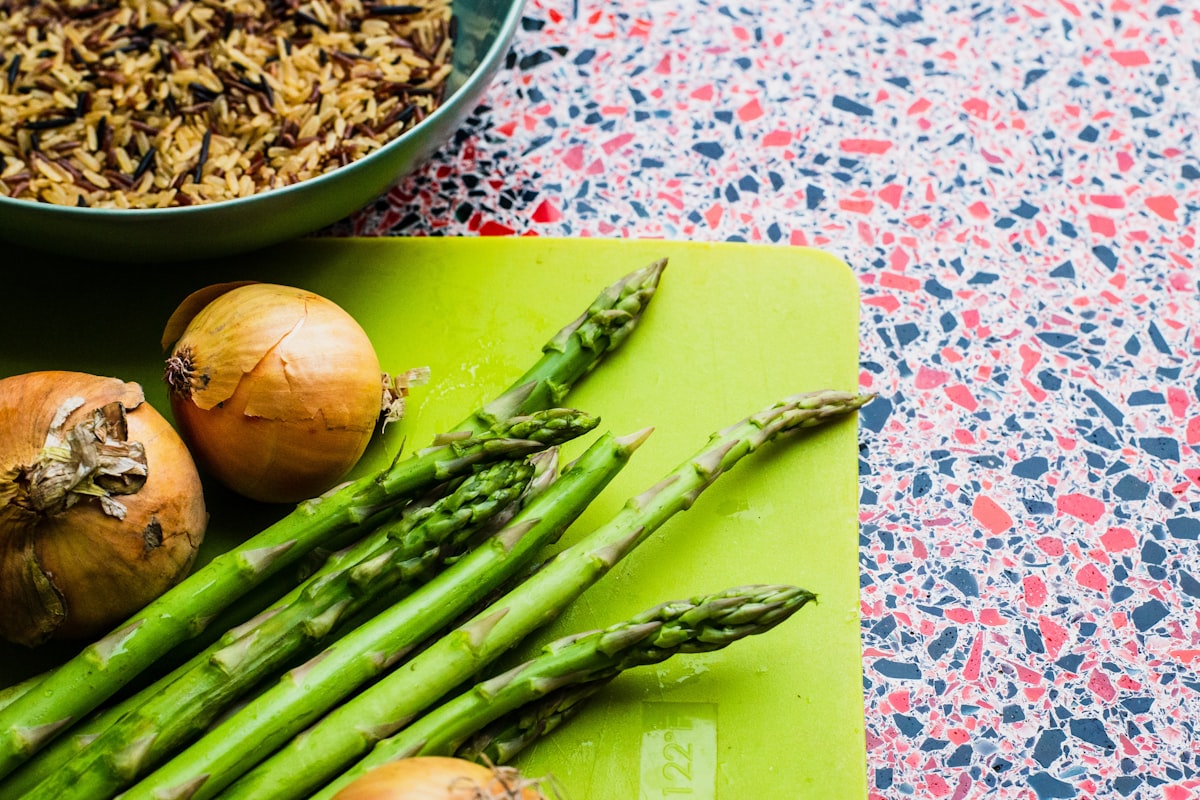
Almonds, walnuts, chia, flax, and sesame seeds deliver healthy fats, protein, and trace minerals. Small portions of these nutrient-dense foods add substantial nutrition to your meals.
Herbs and Spices
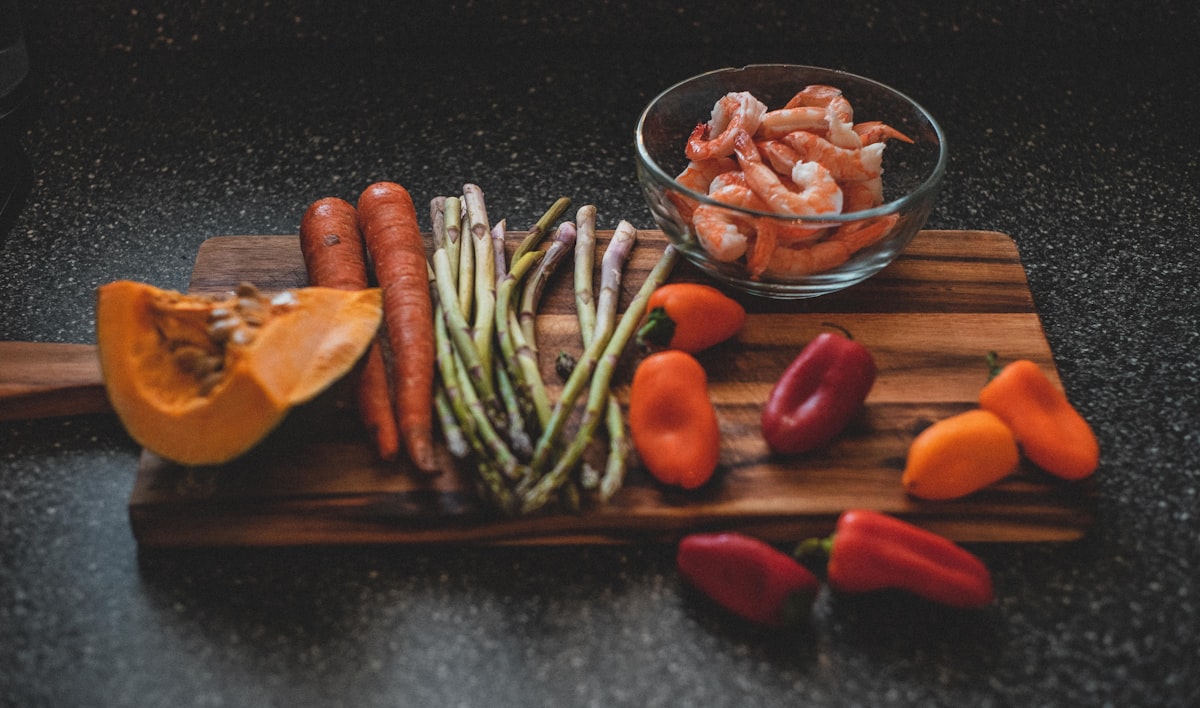
Fresh and dried herbs add flavor without sodium or additives while offering their own beneficial compounds. Turmeric, ginger, basil, and oregano are both culinary treasures and nutritional allies.
From Farm to Table: 5-Step Journey
Select Quality Ingredients
Start by choosing whole, unprocessed ingredients. Visit farmers' markets, explore local produce, and familiarize yourself with seasonal offerings. Reading ingredient labels on packaged items helps you identify truly whole foods versus those with hidden additives.
Prepare Your Kitchen
Stock your pantry with whole grains, legumes, herbs, and spices. Invest in basic cooking tools—knives, cutting boards, pots, and pans. A well-organized kitchen makes whole food cooking efficient and enjoyable, removing barriers to consistent preparation.
Learn Basic Techniques
Master fundamental cooking methods—roasting vegetables, cooking grains, preparing legumes, and creating simple sauces. Understanding proper techniques ensures your whole foods taste delicious and retain maximum nutrition. These skills build confidence in the kitchen.
Plan and Prepare Meals
Design simple meal plans built around whole foods. Dedicate time to batch cooking grains and proteins, chopping vegetables, and preparing components you can combine throughout the week. This intentional preparation makes eating well convenient and sustainable.
Build Sustainable Habits
Gradually integrate whole food cooking into your daily routine. Start with one meal per day, then expand as skills and confidence grow. Small, consistent choices create lasting change far more effectively than sudden, dramatic shifts.
Practical Features for Success
Recipe Education
Access recipes specifically designed around whole foods, with clear instructions and ingredient breakdowns. Learn how to adapt traditional recipes to use unprocessed components while maintaining authentic flavors.
Meal Planning Guides
Structured meal plans balance whole grains, vegetables, legumes, and healthy fats. Guides help you understand portion sizes and food combinations that support consistent energy and satisfaction throughout your day.
Ingredient Knowledge
Detailed information about seasonal produce, storage methods, and nutritional profiles helps you make informed choices. Understand which ingredients offer maximum nutrition and how to select and store them properly.
Lifestyle Integration
Articles addressing how to cook whole foods while managing busy schedules, dining out, or dealing with family preferences. Real-world strategies help you maintain whole food cooking regardless of your circumstances.
Community Connection
Share experiences with others pursuing whole food cooking. Exchange tips, recipes, and strategies in a supportive community environment. Learning from others' successes and challenges accelerates your own progress.
Expert Insights
Learn from experienced food educators and nutrition professionals who understand whole food preparation. Articles provide science-based information about why certain foods matter and how they support your overall wellbeing.
Quick Comparison: Whole Foods vs. Processed Foods
| Aspect | Whole Foods | Processed Foods |
|---|---|---|
| Nutrient Density | Rich in vitamins, minerals, fiber, and phytonutrients in natural combinations | Nutrients removed or isolated; often requires artificial fortification |
| Added Ingredients | None—just the food itself | Preservatives, emulsifiers, colorants, flavor enhancers, excess sodium and sugar |
| Digestion | Natural fiber supports healthy digestive processes | Often lacks fiber; can cause digestive stress |
| Energy Pattern | Steady, sustained energy from complex carbs and whole nutrients | Rapid spikes and crashes from refined ingredients |
| Taste | Natural flavors; becomes more satisfying over time | Engineered flavor intensity; often requires added salt and sugar for appeal |
| Cost | Variable; seasonal and local options often most affordable | Often cheaper per unit, but higher hidden costs in support for overall wellbeing |
| Preparation Time | Requires cooking and planning; becomes efficient with practice | Ready-to-eat convenience without effort |
Common Questions About Whole Foods
Join the Whole Foods Community
Subscribe to our editorial content for recipes, ingredient guides, meal planning strategies, and stories from others on their whole food journey. Our community shares practical knowledge and encourages sustainable choices.
We respect your privacy. Unsubscribe at any time.
Success Stories
See how families and individuals have transformed their health through whole food learning.
Maria G.
Parent, Chicago
"The meal planning guides have completely changed how my family eats. My kids actually ask for vegetables now, and I feel confident knowing exactly what's in their food."
James R.
Health Enthusiast, Denver
"I was overwhelmed by nutrition labels and conflicting information. This platform broke everything down into simple, actionable steps. My energy levels have improved dramatically."
Sandra L.
Educator, Portland
"As an educator, I use these resources to teach food literacy to my students. The ingredient guides and recipes are beautifully presented and educational."
Frequently Asked Questions
Find answers to common questions about whole food learning and our resources.
Is Healthyplatelearning suitable for all dietary preferences?
Yes, our resources include recipes and meal plans for various dietary preferences including vegetarian, vegan, gluten-free, and omnivore options. Our ingredient guides help you make choices that align with your values and health goals.
How often is new content added?
We update our recipe collection, ingredient guides, and community stories weekly. Subscribers receive new content directly in their inbox, ensuring you always have fresh inspiration and knowledge.
Are your recipes tested and nutritionally balanced?
All our recipes are tested by our culinary team and reviewed for nutritional balance. Each recipe includes ingredient lists, preparation instructions, and nutritional information to support informed choices.
Can I access resources on mobile devices?
Yes, all our content is fully responsive and optimized for mobile devices. You can access recipes, meal plans, and ingredient guides on any device, making it easy to shop and cook on the go.
How do I connect with the community?
Community members share stories, recipes, and tips through our newsletter and online forums. Subscribe to get updates, participate in discussions, and inspire others on their whole food journey.
Start Your Whole Food Journey Today
Join thousands of individuals and families who are transforming their health through whole food learning. Get access to recipes, meal plans, ingredient guides, and community support.